
Pain in every step, every move?
End the cycle.

Dr. Rahul Sinha
(MBBS, MS) | Arthroscopy Gold Medalist
Years Of Experience
Successful Surgeries
Joint Replacement

Google Review
5.0 Stars | 290 Reviews

Visit Us
Pain in every step, every move? End the cycle.
Advanced spine care in Ranchi to
restore your freedom.
Dr. Rahul Sinha
(MBBS, MS) | Arthroscopy Gold Medalist
20+
Years Of Experience
15K+
Successful Surgeries
2K+
Joint Replacement
5.0 Stars, 290 reviews
Spine Surgery
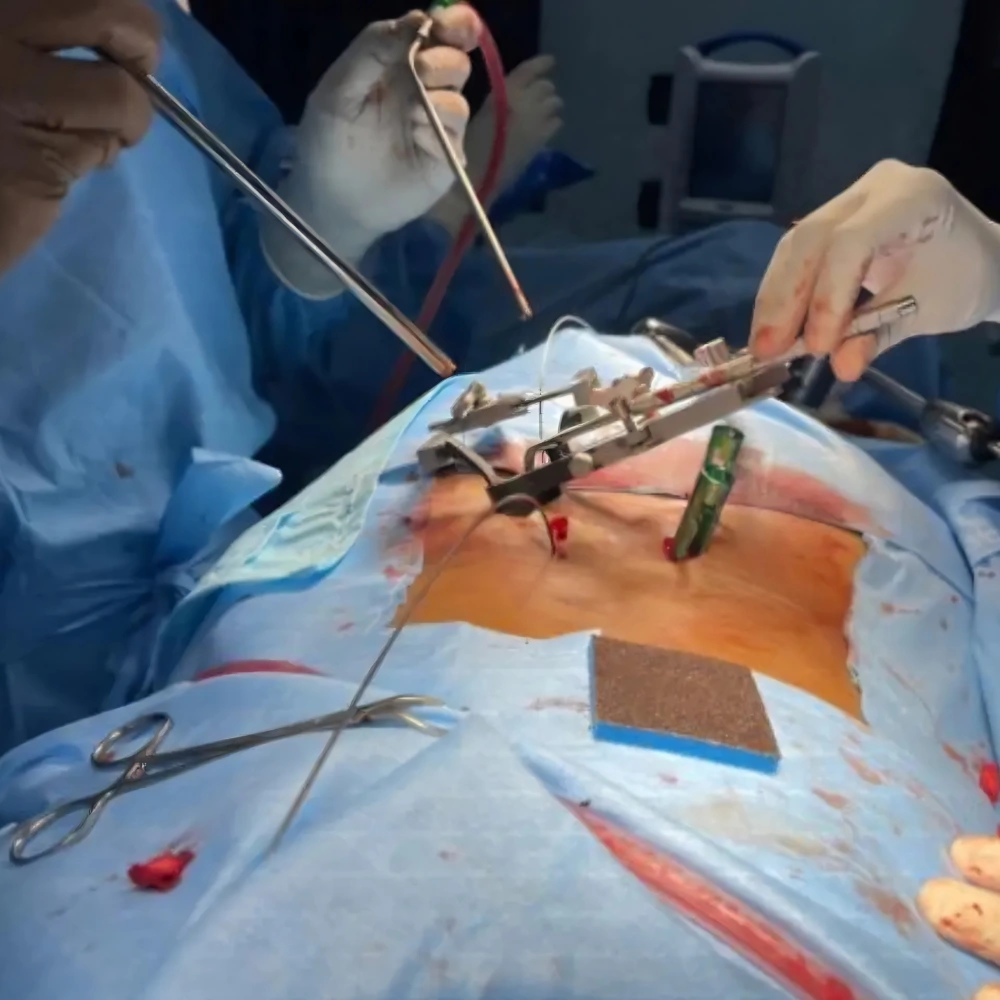
What is it?
Spine surgery is performed to correct issues in the vertebrae, discs, or spinal nerves that lead to severe back or neck pain, along with symptoms like numbness or weakness.
Who needs it?
It is recommended for patients with conditions such as slipped discs, spinal stenosis, spondylolisthesis, or spinal instability that do not improve after 6–12 weeks of non-surgical treatment.
Recovery time
Most patients are able to walk within a day. Desk work can usually be resumed in 2–4 weeks, while complete recovery—especially after fusion surgery—may take 3–6 months depending on the procedure.
Cost in Ranchi
The cost of spine surgery in Ranchi is generally 40–60% lower than in metro cities, while offering similar or even better outcomes at Medifirst Hospital.
What is Spine Surgery ?
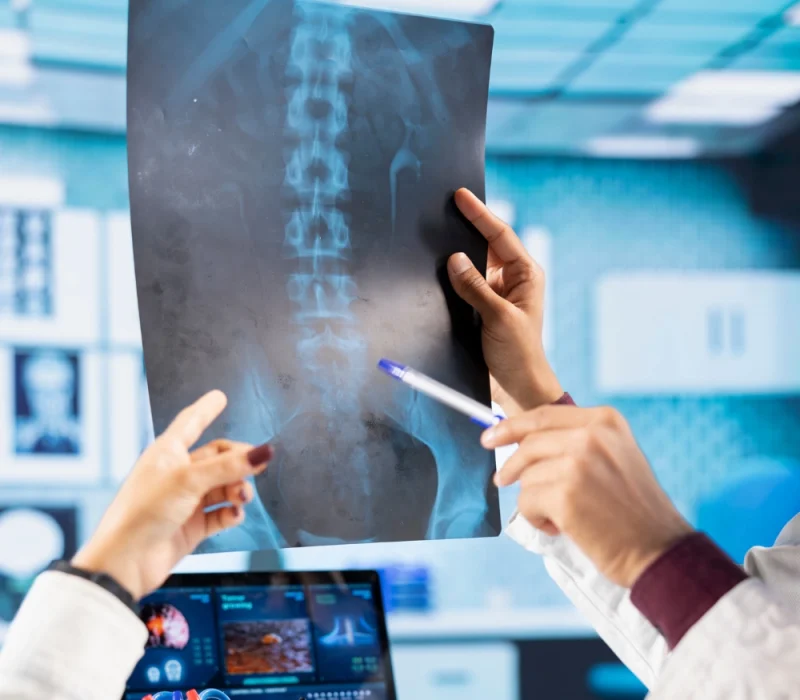
Types of Spine Surgery
Discectomy / Microdiscectomy
A procedure that removes the herniated part of a spinal disc pressing on a nerve. Microdiscectomy is performed using a microscope and small incision, allowing quicker recovery and is commonly the first surgical choice for sciatica.
Spinal Fusion (PLIF / TLIF)
Involves permanently joining two or more vertebrae using bone grafts and metal implants like rods, screws, and cages to stabilize the spine and eliminate painful movement. It is commonly used for conditions like spondylolisthesis, degenerative disc disease, and spinal instability.
Laminectomy / Laminotomy
This procedure removes a portion or the entire lamina (back part of the vertebra) to create more space in the spinal canal and reduce pressure on the spinal cord or nerves, especially in cases of spinal stenosis.
Minimally Invasive Spine Surgery (MISS)
Advanced spine procedures such as discectomy, fusion, and laminectomy can be performed through small 2–3 cm incisions using specialized instruments and imaging guidance, resulting in less blood loss, shorter hospital stays, and faster recovery.
The Process of Spine Surgery
1
Pre-surgical assessment: Includes MRI, CT scan, X-rays, nerve studies, and blood tests to accurately diagnose the condition and plan the surgery.
2
Anaesthesia: General or spinal anaesthesia is given, ensuring you remain fully unconscious and pain-free throughout the procedure.
3
Positioning: The body is carefully positioned—face down for most lower back surgeries and on the back for neck procedures—to provide optimal surgical access and prevent pressure injuries.
4
Imaging during surgery: Advanced imaging like fluoroscopy or O-arm navigation is used in real time to guide precise placement of instruments.
5
Decompression: The surgeon removes herniated disc material, bone spurs, or thickened ligaments pressing on nerves to relieve pain and improve nerve function.
6
Stabilisation (if required): In fusion procedures, screws, rods, and cages are used to stabilize the spine while the bones fuse together.
7
Closure: The surgical layers are carefully closed, often using minimal sutures or adhesive strips in minimally invasive techniques.
8
Recovery: Patients typically wake up within an hour, can sit the same day, and start walking the next morning with physiotherapy support.
Possible Risks and Complications
Total knee replacement is a highly safe and effective orthopedic procedure, with more than 90% of patients reporting pain relief and better mobility. Still, as with any major surgery, certain risks may be involved:
- Surgical site infection — reduced through strict sterilization and preventive antibiotics.
- Blood clots (DVT) — managed with medications and early movement.
- Temporary stiffness in the knee — improved with guided physiotherapy.
- Injury to nerves or blood vessels — very uncommon when performed by skilled surgeons.
- Implant wear or loosening over time — current implants are built to last 15–25 years.
Strict international safety standards are followed to minimize these risks, and each patient undergoes a detailed, personalized risk evaluation before surgery.
Why Choose Dr. Rahul Sinha for Spine Surgery
Expert-Led Care
International trained with advanced orthopedic techniques, delivering world-class care in Ranchi.
Proven Results
Thousands of successful surgeries with consistent patient satisfaction and trusted outcomes.
Personalized Approach
Direct consultation with the specialist. Customized treatment plans for every patient.
Precision Treatment
Modern equipment and latest surgical methods for precise treatment and faster recovery.
Affordable Pricing
High-quality orthopedic care with transparent pricing and patient-friendly options.
Faster Healing
Minimally invasive procedures designed to reduce pain and speed up healing time.
Complete Support
Dedicated follow-up and rehabilitation support until full recovery.
No Hidden Costs
Clear diagnosis, honest guidance, and no hidden costs — complete peace of mind.
Book An Appointment
Book Your Orthopedic Consultation
Synergy Global Hospital
Opp. Jaiprakash Nagar, Bariatu Road, Ranchi, Jh - 834012